Introduction to the Supreme Court
By Evelyn (Year 8)
During the last Year 8 Scholars’ meeting, Ms Powis-Holt, teacher of Politics, gave a whistle-stop overview of an institution vital to our democracy: the Supreme Court. This was a valuable experience ahead of the scholars’ trip to Westminster later this term.
The Supreme Court is the highest in the UK. The lowest court is the Magistrates’ Court, then the County Court, Crown Court, High Court, Court of Appeal and finally the Supreme Court. That’s a lot of courts. Why do we need so many? This is because they all handle different kinds of case. For instance, the Magistrates’ Court handles low-level local criminal offenses, like speeding, or minor criminal damage like graffiti. The Supreme Court, however, doesn’t deal with criminals. This institution is separate from the government, and hears cases based on public importance, and helps pass and develop new laws for the UK.
A real case from 2008 was when the police went to the Supreme Court with an anonymous person, whose DNA samples were taken and their pictures. They were found to be innocent of any crime and were set free. However, the person did not feel that the police deserved to keep his DNA and his photos. The Supreme Court ruled in favour of the anonymous person, because of The Human Rights Act, Article 8, which states that everyone has a right to privacy and protects individuals again unnecessary interference from public authorities.
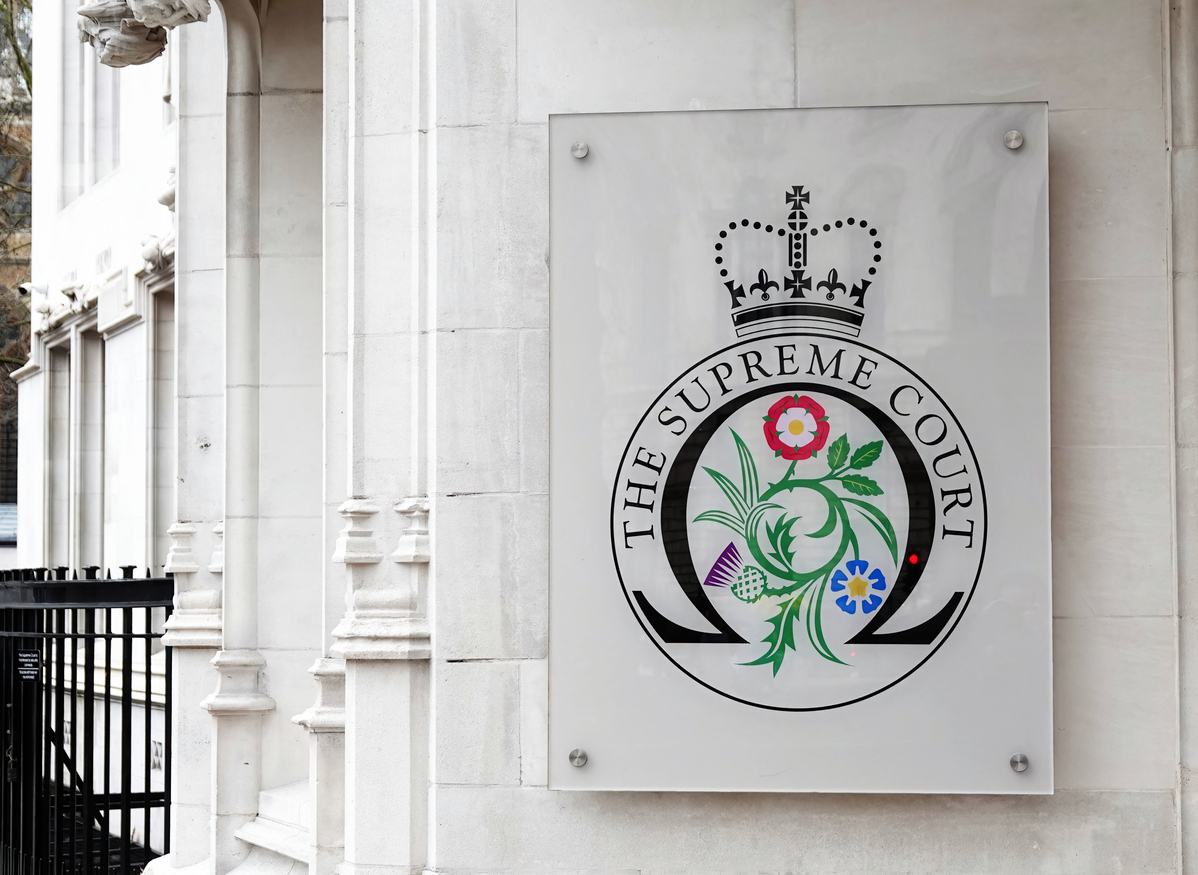
The UK Supreme Court first met in 2009. It operates from the Middlesex Guildhall just off Parliament Square, a building previously used as a meeting point for the Middlesex County Council, and for the Crown Court before being chosen as the home of the Supreme Court. The symbol for the Supreme Court has an Omega sign, as well as the Tudor rose, for England, the leek, for Wales, the thistle, for Scotland and the flax flower for Northern Ireland.
After this quick tour of the history of the Supreme Court, I hope this readies Year 8 in time for their day trip to Westminster!