A Never-Ending Story…and One with an Ending!
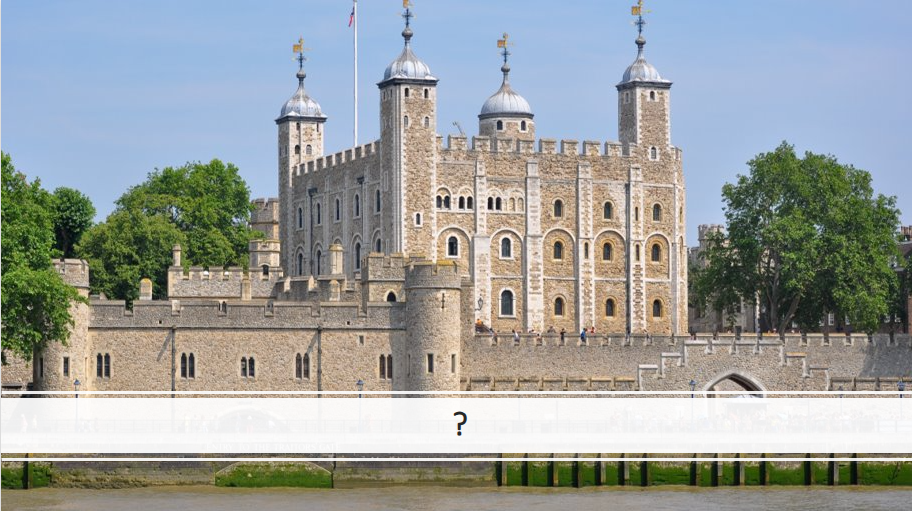
In their second session of the term, the Year 8 Scholars were treated to a fascinating exploration into the mystery of “The Princes in the Tower” led by School Archivist and author Andrew Beattie. Having published a historical work on this topic, as well as a children’s novel, The Secret in the Tower, Mr Beattie was well placed to open up this topic to the students. In a sweeping narrative, the students heard about the Wars of the Roses, the factions within the House of York and the key geographical locations on the Princes’ route to the Tower — with the main focus centring on the nature of their fate. The students were asked to think about five possible explanations for their disappearance, with evidence offered for and against, and with a nod to the fact that every new RSC production of the play Richard III reinforces the powerful narrative of the evil murder. The fascination of this topic lies in a crucial ongoing question: what if the alleged bones of the princes now in Westminster Abbey were permitted to be re-examined in the light of DNA technology? (Oh, and I forgot to add, we didn’t omit the account of Richard’s body being unearthed in a Leicester car park before being ceremonially laid to rest in Leicester Cathedral.) Copies of The Secret in the Tower are available in the school library, local public libraries and from booksellers.
The talk has set the students up nicely for their forthcoming trip to Westminster Abbey.